
EMDR
What if your mind already knew how to heal, and just needed the right support to do it?
EMDR (Eye Movement Desensitization and Reprocessing) is a powerful, evidence-based therapy that helps the brain reprocess distressing experiences and restore emotional balance. It’s a client-centered approach that activates your natural healing mechanisms, so you can move forward with clarity and ease.

What is EMDR?
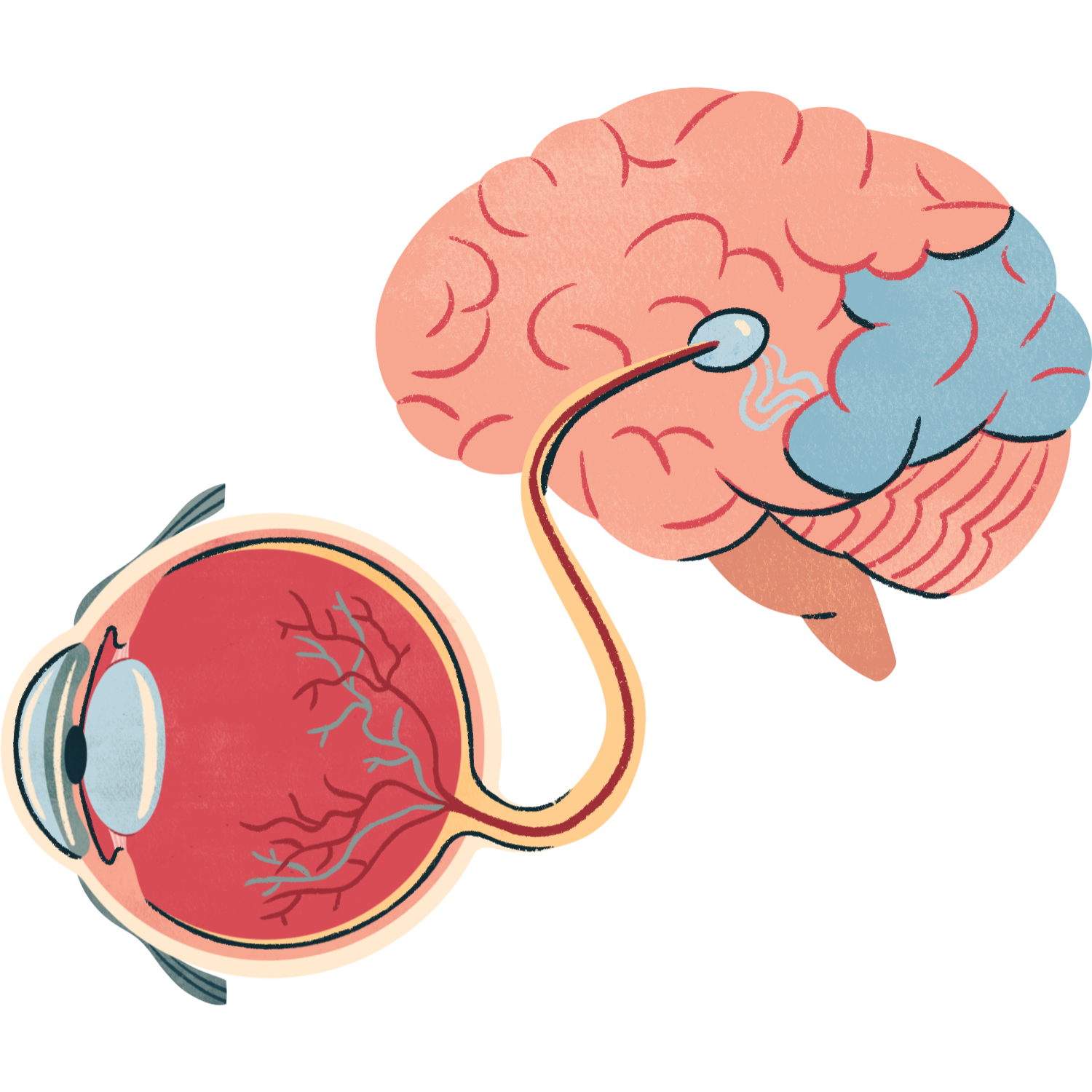
Developed by Dr. Francine Shapiro in 1987, EMDR is a structured therapy designed to help individuals process and heal from distressing life events. It uses guided bilateral stimulation, often through eye movements, to activate the brain’s innate information processing system. Over time, this process helps reduce the emotional charge around painful memories, beliefs, or experiences, making space for calm and clarity.
How EMDR Works
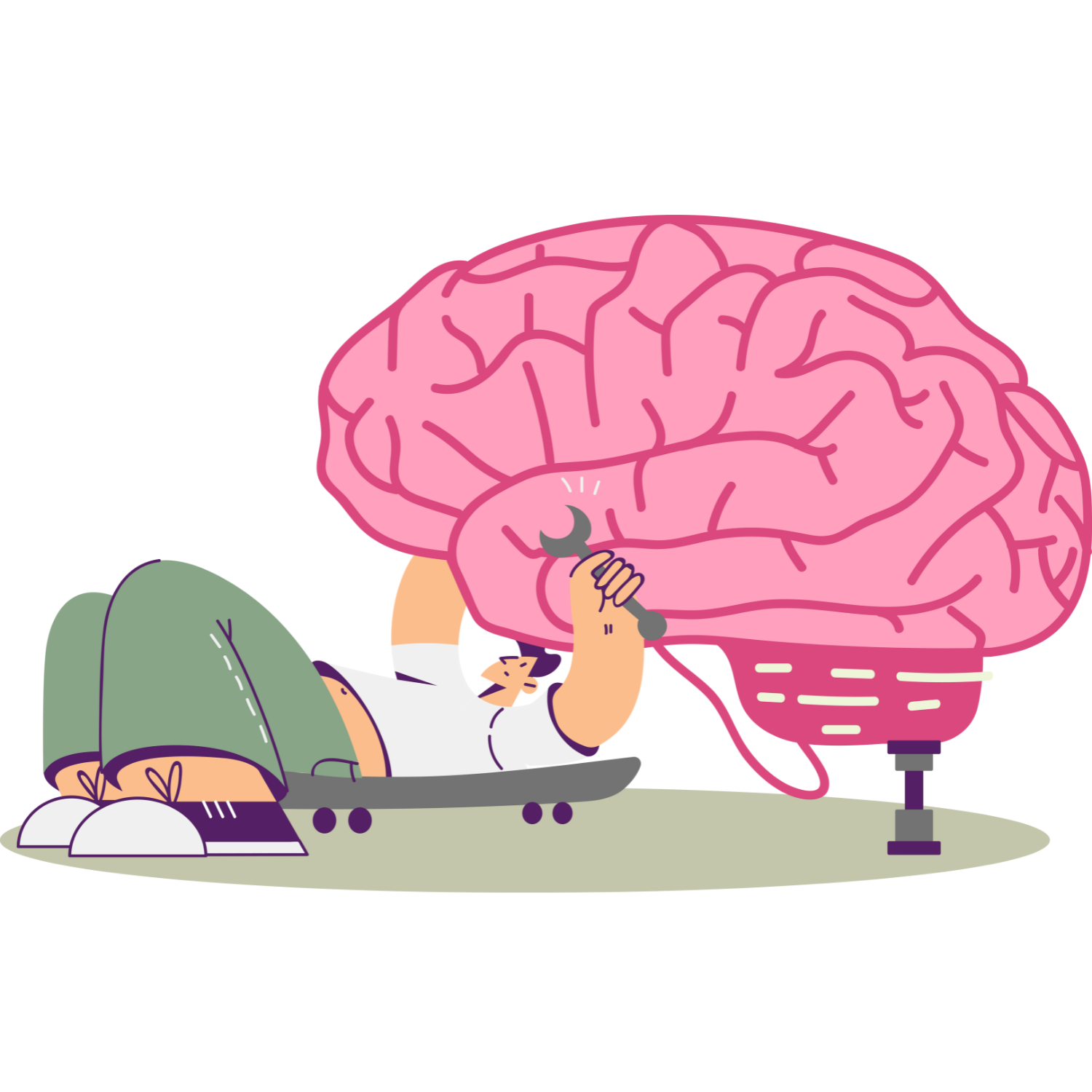
EMDR follows an 8-phase, standardized protocol tailored to your individual needs. It begins with thorough preparation and resourcing before moving into memory reprocessing. This therapy doesn’t require you to retell every detail of your experience, instead, it helps your brain do the healing work it was wired to do. By targeting stuck trauma or emotional blocks, EMDR can bring long-lasting relief more quickly than traditional talk therapy alone.
What EMDR Can Help With
Extensive research shows EMDR’s effectiveness in treating a wide range of issues, including:
-
- Trauma & PTSD – Single incidents or complex developmental trauma
- Anxiety & Phobias – Panic attacks, social anxiety, specific fears
- Depression – Especially when rooted in past experiences
- Childhood Wounds – Abuse, neglect, or difficult family dynamics
- Grief & Loss – Including anticipatory grief and complicated bereavement
- Caregiver Stress – Vicarious trauma from caring for others
- Life Transitions – Moving countries, career changes, relationship shifts
- Performance Issues – Creative blocks, professional anxiety, imposter syndrome
- Addictions & Compulsions – Breaking cycles of self-destructive behaviors

Whether you’re healing from a single event or a lifetime of emotional pain, EMDR can help you shift from survival mode into a more grounded, peaceful way of being.

I offer EMDR through:
- Individual weekly sessions (for 1 -3 hours at a time)
- Intensive therapy formats (multiple sessions over consecutive days)
- In-person retreats in Portugal (combining EMDR with restorative environments)
You don’t have to carry it all alone. If you’re curious about how EMDR can support your healing, I’d love to explore this with you.
Is EMDR
Right for You?
EMDR isn’t a magic fix, but for many people, it’s a life-changing tool for deep healing. It’s especially powerful if you feel stuck in patterns you can’t talk your way out of, or if traditional therapy hasn’t fully addressed your symptoms.
EMDR might be particularly helpful if you:
- Feel emotionally triggered by certain situations or memories
- Experience intrusive thoughts or flashbacks
- Notice your body holding tension or stress
- Want to process difficult experiences without having to tell the whole story
- Are ready for intensive healing work
As your EMDR therapist, I’ll walk beside you at your pace, ensuring each session feels safe, supported, and aligned with your goals. My approach integrates EMDR with other modalities like IFS (Internal Family Systems) when helpful, honoring all parts of your healing journey.
Let's see if we're the right fit!
I offer a free 20-minute consultation by phone or video so you can get a feel for whether I’m the right therapist for you. Therapy is a collaborative process—and this first step is about making sure the fit feels good for both of us.